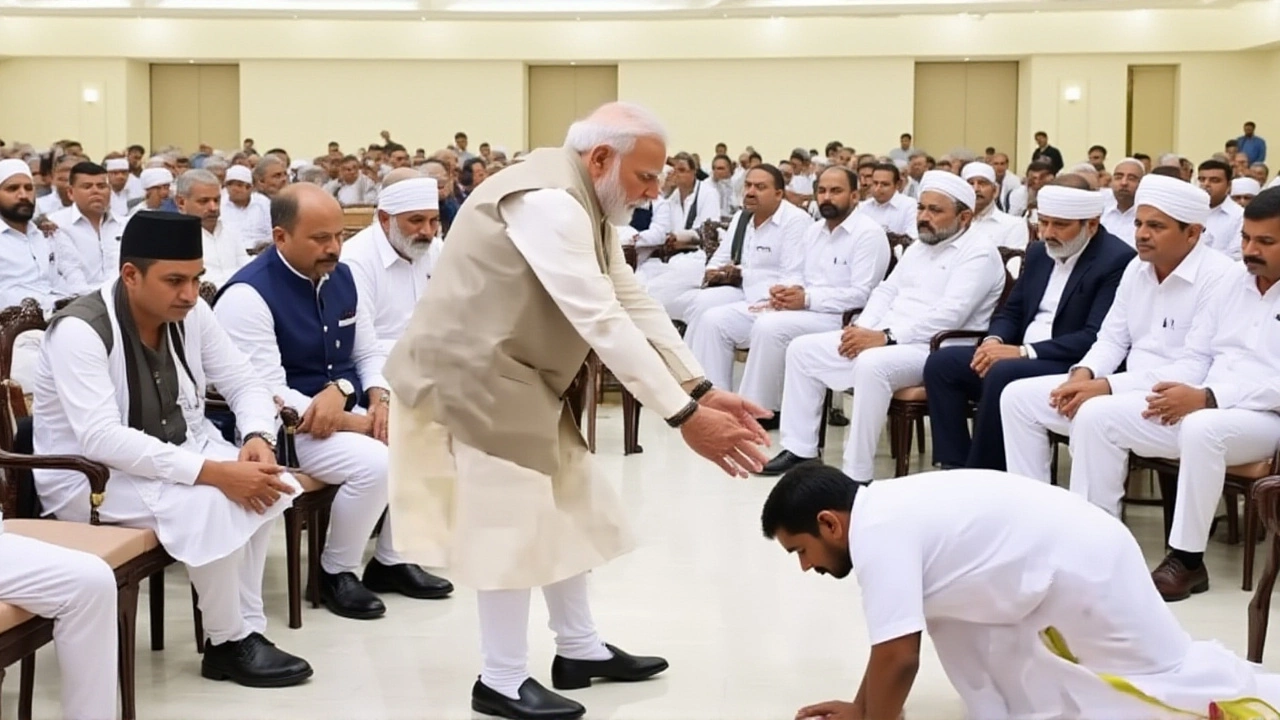
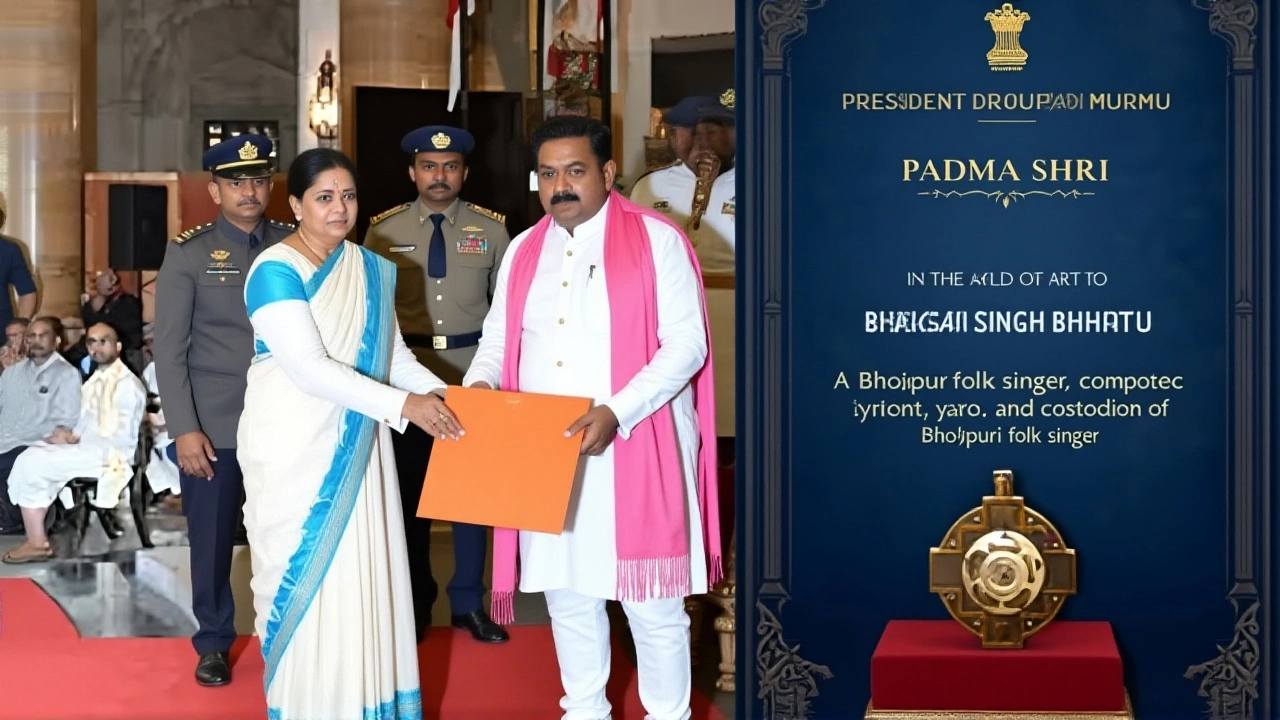
It’s a rare kind of victory that arrives after the final curtain falls, but for Dr. Gopal Ji Trivedi, former Vice-Chancellor of Rajendra Agricultural University, it was the ultimate validation of a life spent in the dirt and data of Indian farming. The late agricultural scientist received the posthumous Padma Shri award on Monday, an honor accepted by his son, Dr. Raman Kumar Trivedi, at the prestigious ceremony held in the Republic Hall of Rashtrapati Bhavan in New Delhi.
The announcement wasn’t just a formality; it was a nod to decades of work that quietly reshaped how farmers in Bihar approach their livelihoods. While the government officially listed the award under the 2026 Padma Awards series, the actual handover took place during the Republic Day celebrations, bridging the gap between policy recognition and personal legacy.
A Life Rooted in Rural Bihar
Here’s the thing about Dr. Trivedi: he didn’t start in a high-rise office. Born on February 15, 1930, he emerged from a rural background, proving that scientific excellence isn’t bound by geography. His journey began at Sabour Agricultural College in Bihar, where he earned his bachelor’s degree in Agriculture in 1954. He stayed put, deepening his expertise with a master’s in Agricultural Extension Education four years later, in 1958.
That decision to stay local paid off. Instead of chasing urban opportunities, he immersed himself in the specific challenges of Bihar’s agrarian landscape. By the time he rose to become the Vice-Chancellor of Rajendra Agricultural University (now known as Dr. Rajendra Prasad Central Agricultural University), he had already established himself as a voice for the smallholder farmer. His career wasn’t defined by titles, but by the tangible improvements in crop yields and farmer incomes across the state.
Revolutionizing Three Key Crops
So, what exactly did he do to earn India’s fourth-highest civilian award? It comes down to three specific areas where he made a massive impact: maize, litchi, and integrated fish farming.
- Maize Production: He introduced research-backed methods to boost maize yields, turning a staple into a more profitable cash crop for many families.
- Litchi Cultivation: Bihar is famous for its litchis, but Dr. Trivedi worked on scientific techniques to improve quality and extend the harvest window, helping farmers fetch better prices.
- Fish-Based Farming: Perhaps most innovatively, he promoted integrated farming systems that combined aquaculture with traditional crops. This wasn’t just about growing food; it was about creating a sustainable ecosystem that reduced waste and increased income streams.
These weren’t abstract theories. They were practical solutions rolled out through extension programs that reached thousands of villages. As reported by Live Hindustan and NewsBytes Hindi, his work directly contributed to improving the lives of farmers by making agriculture more resilient and lucrative.
The Ceremony and Family Legacy
The atmosphere at Rashtrapati Bhavan on May 25 was solemn yet celebratory. When Dr. Raman Kumar Trivedi stepped up to accept the medal, it was a poignant moment. The younger generation carrying forward the torch of a father who dedicated his life to feeding the nation. Interestingly, while reports confirm Dr. Raman also holds a doctorate, details about his current professional role remain scarce, keeping the focus squarely on his father’s achievements.
The President of India presented the awards, marking the culmination of a rigorous selection process. For the Trivedi family, this wasn’t just about prestige; it was about acknowledgment. In a country where farmers often feel overlooked by policy makers, seeing one of their own—someone who lived among them—honored at the highest level sends a powerful message.
Why This Matters Now
In an era where climate change threatens food security, Dr. Trivedi’s emphasis on sustainable practices feels incredibly relevant. His push for integrated farming models aligns perfectly with modern goals for eco-friendly agriculture. The ripple effects of his work are still felt today, particularly in Muzaffarpur district, which remains a hub for litchi production thanks partly to the foundational research he championed.
What’s next? Experts suggest that institutions like Rajendra Agricultural University may look to formalize some of Dr. Trivedi’s methodologies into new training modules. There’s talk of expanding these integrated farming models to other parts of Eastern India, leveraging his proven success stories. While no specific timeline has been announced, the momentum generated by this award could accelerate adoption rates significantly.
Frequently Asked Questions
Who accepted the Padma Shri for Dr. Gopal Ji Trivedi?
The award was accepted by his son, Dr. Raman Kumar Trivedi, during the ceremony at Rashtrapati Bhavan in New Delhi. This posthumous honor recognizes Dr. Gopal Ji Trivedi's lifetime contributions to agriculture.
What specific agricultural fields did Dr. Trivedi specialize in?
He specialized in three key areas: enhancing maize production, improving litchi cultivation techniques, and promoting integrated fish-based farming systems. These innovations helped increase farmer incomes and sustainability in Bihar.
When was the Padma Shri award ceremony held?
The ceremony took place on Monday, May 25, at the Republic Hall of Rashtrapati Bhavan in New Delhi. Although part of the 2026 Padma Awards series announcements, the physical conferencing occurred during this scheduled event.
Which university was Dr. Trivedi associated with?
He served as the former Vice-Chancellor of Rajendra Agricultural University (now Dr. Rajendra Prasad Central Agricultural University) in Bihar. He also completed his undergraduate and graduate studies at Sabour Agricultural College.
How does his work impact modern farming in Bihar?
His advocacy for integrated farming and scientific crop management laid the groundwork for sustainable practices still used today. His methods help farmers diversify income sources and adapt to changing climatic conditions, particularly in regions like Muzaffarpur.